Table Of Content
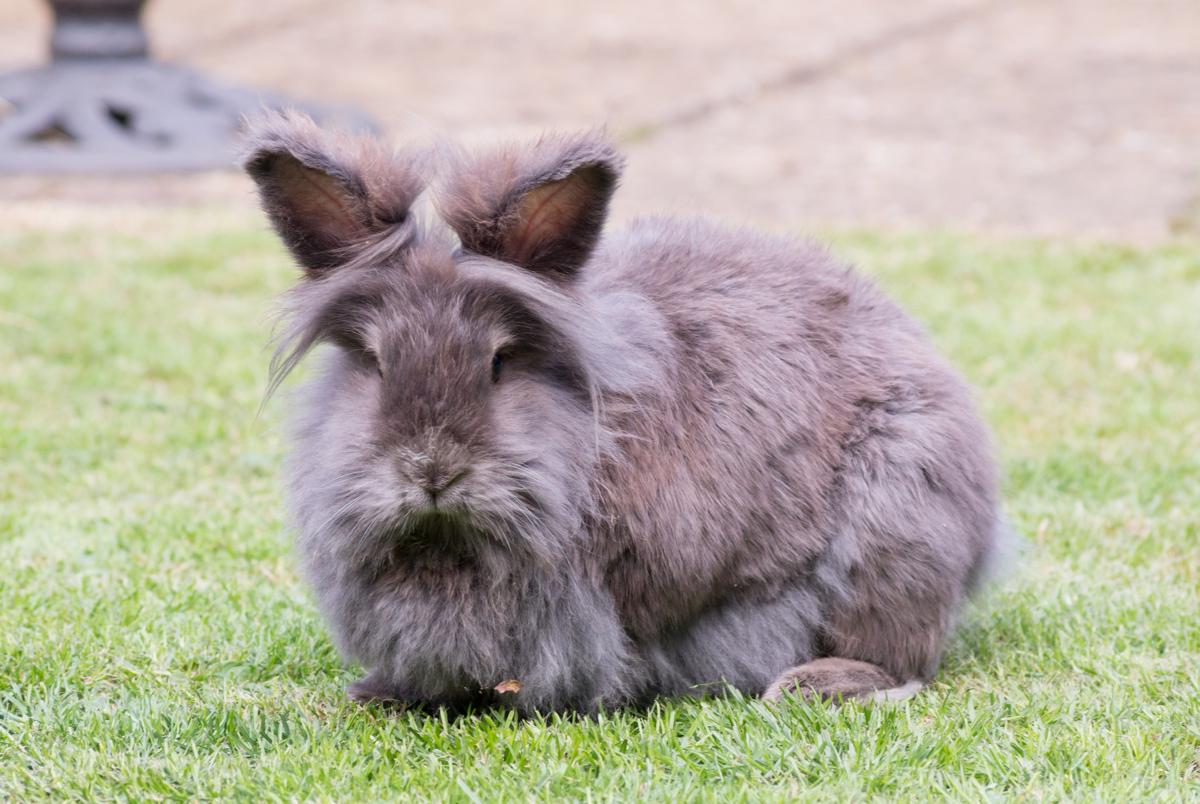
Lion hair has played an important role in human culture for thousands of years. In some African cultures, lion hair is used as a symbol of bravery, strength, and leadership. In European heraldry, lions are often depicted with a mane of gold, representing nobility and power. Lion hair plays a crucial role in thermoregulation, the process by which animals maintain their body temperature within a narrow range. Lions are warm-blooded animals, which means that they generate their own body heat through metabolic processes.
Understanding the Lion’s Skin
The thick and voluminous mane, combined with its color and texture, allows lions to blend into their surroundings, making it easier for them to approach prey undetected. This adaptive trait increases their chances of a successful hunt and ensures their survival in challenging environments. Another purpose of the lion’s mane is the regulation of body temperature.
Future Research and Conservation Initiatives
Lions also have strong jaws, which allow them to take down large prey. Other conservationists have focused on creating protected areas for lions. After the hunt, the group effort often degenerates to squabbling over the sharing of the kill, with cubs at the bottom of the pecking order. Lions will hunt alone if the opportunity presents itself, and they also steal kills from hyenas or wild dogs. A strong mane will give them the edge, but they also must be physically dominant compared to other males. Once a male lion takes over a pride, it must defend its territory, and family, but also get the right to breed.
The Life Cycle and Significance of the Lion’s Mane

Once the pods have turned brown, you can cut them off, tip them upside down and rattle the seeds out. Currently, there is limited research on Lion's mane hair loss effects. However, it is safe to assume that this mushroom may also help with hair growth, given its positive impact on general health and the abundance of nutrients it offers. Like all animals, lions have a variety of organs that work together to keep them alive.
What Our Team Discovered About Lion's Mane OCD Benefits
These changes are attributed to the natural aging process and hormonal fluctuations. While an older lion’s mane may appear less impressive compared to its prime, it still retains its significance as a symbol of maturity and experience. But in Kenya's Tsavo East National Park, which is closer to sea level and hotter, male lions have very small, almost non-existent, manes. A lion with a big mane wouldn't be able to walk very far during the day or move too far from water, Patterson said. That would put them "at a disadvantage, relative to a lion that doesn't have a big blanket over its shoulders," he said. But some male lions don’t have manes at all — and that’s because having a dark, shaggy mane might also come with some disadvantages.
Anatomy of the Lion’s Mane
Through the process of female mate choice, females have consistently favored males with larger and more prominent manes. This preference has created a positive feedback loop, with males developing more impressive manes over successive generations. The continued selection for large and attractive manes has shaped the appearance of male lions and contributed to the diversity of mane sizes and characteristics observed today. The size and dimensions of a lion’s mane can vary greatly among individuals.
Shedding in Lions
Conversely, when a lion is relaxed or content, its hair lies flat against the skin, making it appear smaller and less threatening. A group of all male lions is called a coalition, and they are typically made up of 2 to 7 members, usually brothers or cousins. Right after the last male lion in the zoo passed away, the female lion started growing thick hair around her neck. Males’ heightened testosterone, the extreme heat of the region, and the thorny vegetation are possible theories comprised to why these lion’s manes are small and underdeveloped.
In conclusion, the lion’s mane is a remarkable anatomical feature that holds immense significance and symbolism. It serves multiple purposes, ranging from protection and social signaling to thermal regulation. The size, density, and coloration of the mane can vary among individuals and different lion species. The development and evolution of the mane have been shaped by both genetic factors and sexual selection.
Leonotis Species, Dwarf Lion's Ear, Lion's Tail
Future research and conservation initiatives should leverage technological advancements and address the effects of climate change to protect lion populations and their iconic manes. The lion’s mane remains a source of fascination, awe, and inspiration, embodying the splendor and power of one of nature’s most majestic creatures. Lion hair is a unique and complex structure that serves multiple functions in the life of these animals. It covers almost their entire body, except for the paw pads, lips, and nostrils. Lion hair is thick, soft, and dense, with a range of colors that vary from light brown to reddish-brown, and darker shades around the legs and tail.
At this stage, the mane encompasses the head, neck, and sometimes extends down the chest. Mane color also reaches its definitive shade, ranging from blond to dark brown. The specific coloration can vary among individuals and is influenced by genetic factors, as well as environmental factors such as sunlight exposure and dietary factors. Prey preferences vary geographically as well as between neighbouring prides. Lions are known to take elephants and giraffes, but only if the individual is young or especially sick.

The bloom ball on this plant appears a little coarser than the plant with the slender leaves. I would appreciate any assistance with the names of the two varieties and any other information regarding the differences, uses and origins. I found answers by reading the comments as to whether I should prune them ...Read Moreafter bloom and just leave them alone. I believe either way will work but pruning would give them a little more shape.
The mane serves a few purposes, including protection during fights with other lions and as a way to attract females. The lion’s mane is also significant in establishing dominance and intimidating rivals. When two male lions confront each other, they often engage in aggressive displays, including roaring and posturing. The impressive mane enhances the size and appearance of the lion, making it appear larger and more formidable. This visual display can discourage potential challengers and prevent unnecessary physical confrontations, thereby reducing the risk of injuries. The heritability of the lion’s mane is still an area of ongoing research, but it is believed that genetic factors play a significant role in determining its size and characteristics.
Female lion who grew a mane aged 18 left scientists baffled - UNILAD
Female lion who grew a mane aged 18 left scientists baffled.
Posted: Tue, 31 Oct 2023 07:00:00 GMT [source]
Wonderful plant that grows very well in the limestone, caliche, and clay of the Edwards Plateau. I cut it back and mulch in the fall and ...Read Moreit grows back in early spring. Very tolerant of fierce sun and poor soil; requires only watering and appears to be impervious to disease and insects.
They are strong attractors for humming birds, bees, moths, ants and other beasties. My husband had one delivered to me a few years ago instead of cut roses for our anniversary in december. I thought i'd lost it the first...Read More year but it has now bloomed for me a couple of years in a row. I keep it under a deck during the hot summer which keeps it cooler. I keep it there too during the worst of winter for protection from the cold.
It grows quite a...Read Morebundantly, despite the drought we had this summer. This plant started out in a small 1 gallon nursery pot and has now grown to fit a 10 gallon pot and is about 3-4 feet tall. Lion's mane appears to increase circulation, according to research. More blood reaching your hair follicles should promote healthy hair growth thanks to improved blood flow. The body then transforms the testosterone hormone into DHT, promoting masculine traits' development. In essence, the levels of DHT rise together with testosterone levels.




No comments:
Post a Comment